

The right stair noses, moldings and transitions help carry the look of Sequoia through every detail of the finished installation.
A beautiful floor is not only about the planks across the room. The stairs, doorways, transitions and finished edges all influence how the project looks once installation is complete.
These details are easy to overlook when choosing flooring, but they can make a noticeable difference in the finished space. Coordinated moldings help the flooring transition cleanly from one area to another and give stairs and edges a more intentional, finished appearance.
Sequoia offers a complete selection of stair noses and molding solutions designed to coordinate with the flooring and support different installation needs, including flush stair noses made from the flooring planks, 3-in-1 real wood veneer moldings, and aluminum T-molds, reducers and end caps.
A Seamless Look on Stairs

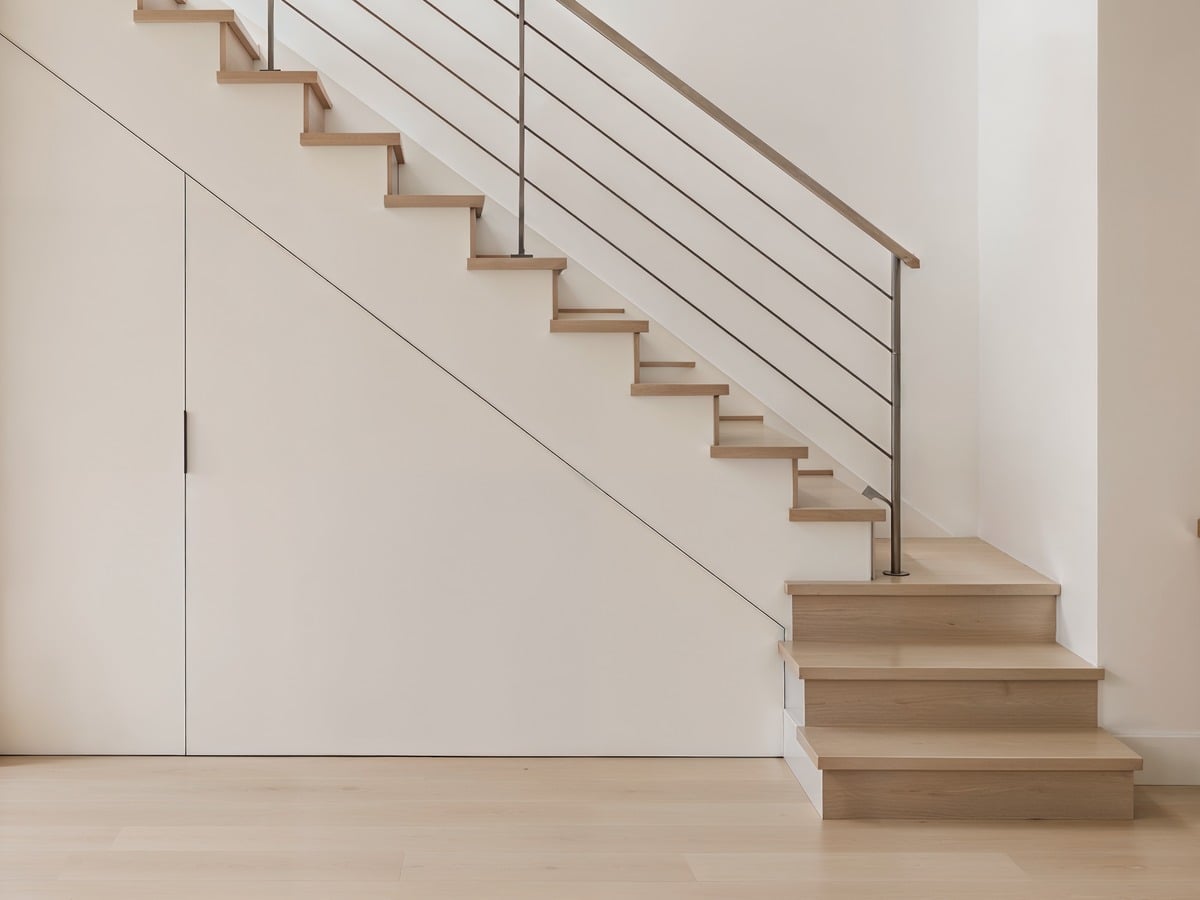
Stairs are often one of the most visible parts of a flooring project. Unlike the main floor, they are seen from several angles, making the finishing detail especially important.
Sequoia flush stair noses are made from the flooring planks themselves. This creates a precise match in color, gloss and overall appearance, allowing the staircase to feel like a natural continuation of the floor rather than a separate element.
The flush design creates a clean profile at the front edge of the stair and helps the staircase feel integrated with the rest of the installation.

One Molding, Three Applications
Many flooring projects require more than one type of transition. A floor may meet another room, transition to a lower surface or finish against a doorway or vertical edge.

Sequoia’s 3-in-1 wood veneer molding is designed to support three common applications:
- T-mold: where flooring surfaces of similar height meet.
- Reducer: where Sequoia transitions to a lower flooring surface.
- End cap: where the flooring ends at a doorway, sliding door, fireplace or other finished edge.
The molding is made with real wood veneer and is available pre-finished in Sequoia colors as well as unfinished for custom on-site finishing.
Watch the 3-in-1 Molding Installation Video
Aluminum Options for Additional Project Needs
Sequoia also offers individual aluminum transition profiles for projects where a metal molding is preferred.

Aluminum T-Molding
Designed for transitions between flooring surfaces of similar height.
Aluminum Reducer
Creates a smooth transition when Sequoia meets a lower flooring surface.
Aluminum End Cap / Threshold
Provides a finished edge where the flooring stops, including near sliding doors, fireplaces and vertical surfaces.
Each option has a specific purpose. Choosing the correct molding for the location helps the transition look intentional while also allowing the flooring system to perform as designed.
Plan the Finishing Details Before Installation
Prior to beginning the installation, identify stairs, doorways, room transitions, sliding doors, fireplaces, flooring height changes, transitions to other flooring surfaces, and locations where the flooring ends.
Planning these areas in advance makes it easier to order the correct finishing pieces and helps avoid last-minute compromises during installation.
The Details Complete the Floor
A premium flooring project should feel finished from one area of the home to the next.
The flooring may be the largest visual element, but the stair edge, doorway and transition are often where the quality of the finished installation becomes noticeable.
By planning these details early and choosing moldings designed to coordinate with Sequoia, homeowners can carry the same premium wood look through the entire project.
